
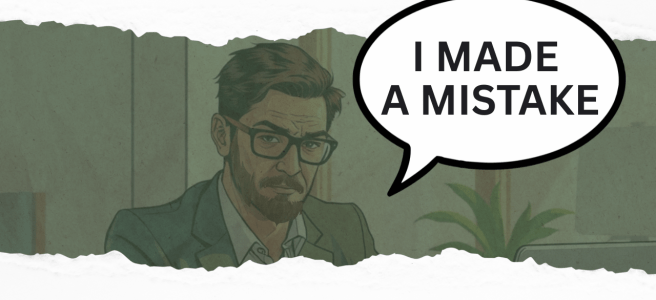
Recently, I found myself on the receiving end of a copyright infringement claim from a third-party copyright compliance company* over a photo I had used in a cybersecurity blog post involving Charlie Kirk and the rise of cyber attacks that would follow his death. I typically don’t use photos that are not Creative Commons license, and I didn’t double-check myself and used the wrong picture. The settlement request was not asking for thousands of dollars, but still an amount that hurt. After speaking with a copyright attorney, who was surprised that they were going after me for a lower amount than she has seen before, I chose not to ignore it, fight aggressively, or hide — but instead to engage respectfully and negotiate.
In the end, they offered a good percentage reduction. I accepted it. Not because it was easy — but because it was right.
(*Note: part of my agreement is to keep the terms of the agreement confidentual so I have left out the company, the client, the amount, and the negotiation details. The facts, while they help build a great testimony, are not fully pertinent to the lesson of this post. I do not wish to breach my agreement, which may cause it to be disputed. Thanks for understanding.)
Owning the Mistake
The truth is simple: I used the wrong image unintentionally. There was no malice, no attempt to profit unfairly, just a mistake. But mistakes still carry consequences.
Integrity means acknowledging when you’re wrong, even when it costs you. It means resisting the urge to justify, deflect, or minimize. I pleaded my case honestly — explaining the public-service nature of my cybersecurity work — but I also accepted responsibility.
That balance matters: honesty without excuse, accountability without defensiveness.
Confronting Confrontation (A Cultural Struggle)
While researching this situation with the legitimacy of this copyright claim, this company, the tactics and aggression they used, I noticed a pattern in many people who have encountered them
- Some people immediately wanted to trash the company first without really looking at the options.
- Others went a different direction to avoid, hide, or hope it would disappear. To just bury their head in the sand and pretend the confrontation did not happen.
From a person looking into this, the recommendationsthat were being suggested seemed like they didn’t play out in most people’s favor and just escalated the issues. It also painted these people in a not-so-pretty light.
There were very few that encouraged calm, civil engagement.
Honestly, that reflects a broader cultural issue. We don’t handle confrontation well. We either escalate it or evade it. Yet growth, reconciliation, and wisdom often live right in the middle — in respectful dialogue.
Scripture reminds us:
“Blessed are the peacemakers.” — Matthew 5:9
Peacemaking isn’t passive. It often requires stepping into uncomfortable conversations with humility and courage.
Civility, Diplomacy, and Grace
Throughout the process, I intentionally kept communication polite and diplomatic. I explained my ministry-style cybersecurity focus, my desire to educate and protect people, and my lack of intent to misuse anyone’s work. (I’m an artist, my wife does photography. Take care of your artists.)
And to their credit, grace was shown. The reduction wasn’t required — it was extended. That reminded me that civility often invites civility in return.
Another verse that stayed with me:
“A gentle answer turns away wrath.” — Proverbs 15:1
That proved true here.
Accountability Still Matters
Grace doesn’t erase responsibility. I still had to make it right financially. Accepting consequences is part of integrity.
That accountability is actually healthy. It sharpens our processes, reminds us to double-check sources, and encourages better stewardship of other people’s work.
As Paul wrote:
“Whatever you do, work at it with all your heart… as working for the Lord.” — Colossians 3:23
That includes blogging, media use, and ethical conduct online.
What I Took Away
Here’s what this experience reinforced for me:
- Own mistakes quickly and honestly.
- Don’t fear respectful confrontation.
- Stay civil even when stressed.
- Accept consequences with humility.
- Leave room for grace — both giving and receiving it.
Final Reflection
This wasn’t a fun experience, but it was a refining one. Integrity is often proven not when things go right, but when they go wrong. Why even blog about this? Well…owning accountability and being transparent is something I value. I failed here, but I learned a lot in this process. Failure is not bad; it helps us grow, hiding from it keeps us complacent and prevents us from growth.
If you ever find yourself in a similar situation — legal, relational, or professional — remember: accountability and grace can coexist. And sometimes the strongest witness we have isn’t perfection… it’s how we respond when we fall short.

 John Johnson Does Stuff
“Peacemaking isn’t passive.” That one hit me. Right on bro!
LikeLike